

 Facebook
 X
X
 Pinterest
 Copy Link
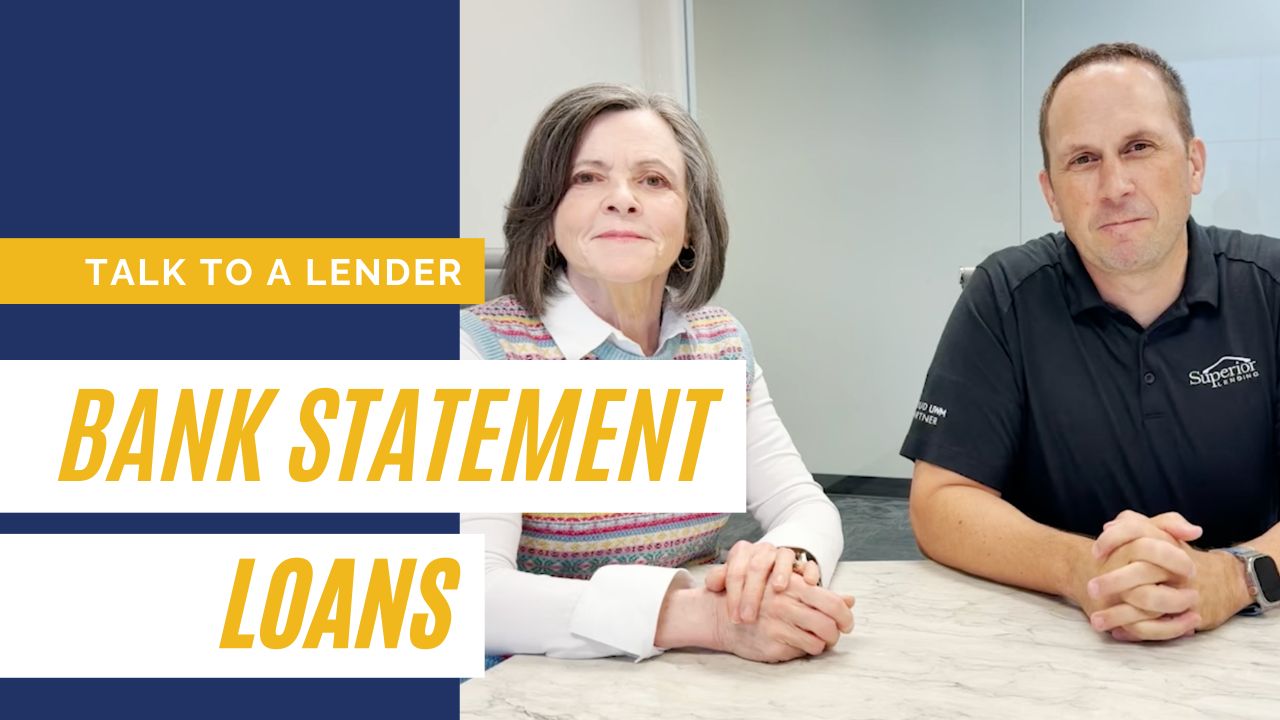
I sat down with Miles Pitcher again to talk about some “unconventional” loan options. Alternative mortgage options are available to borrowers whose financial situations don’t fit neatly into traditional lending guidelines. For example, if you’re self-employed, own a business, or live on a fixed income, qualifying for a loan might not be as straightforward as it is for someone with a traditional W-2 paycheck.
One alternative option is a bank statement loan.
What Is a Bank Statement Loan?
A bank statement loan allows a lender to use your bank statements to help verify your income rather than relying solely on W-2s or tax returns.
Depending on the lender and loan program, the loan officer may review 12 to 24 months of personal or business bank statements to evaluate your cash flow and determine whether you have the income necessary to qualify for the loan.
This can be particularly helpful for people whose tax returns don’t tell the whole story about their ability to make a mortgage payment.
Who Might Benefit From a Bank Statement Mortgage?
Self-Employed Business Owners
Business owners often have business expenses and deductions that reduce their taxable income. While those deductions can be beneficial at tax time, they can make your income appear lower on paper.
A bank statement loan may provide another way for a lender to evaluate your financial situation by looking at the cash flowing through your accounts.
Individuals Living on Fixed Income
A bank statement loan may also be an option for someone who has a fixed income, but has substantial liquid assets.
For example, a retiree or someone with significant savings, 401K, IRA, or investments may have a financial picture that qualifies them for a loan. Depending on the loan program, a lender may be able to consider other aspects of the borrower’s finances.
Are Bank Statement Loans More Expensive?
One important thing to understand is that alternative mortgage programs can come with different terms and pricing than conventional loans.
There’s typically a slight interest-rate adjustment for bank statement loans and other unconventional loan programs. The exact rate, fees, down payment requirements and qualification guidelines can vary depending on the lender and your individual financial situation.
That’s why it’s important to compare your options rather than assuming one loan program will automatically be the best fit.
Is a Bank Statement Loan Right for You?
The biggest takeaway is that there are more mortgage options available than you realize.
If you’re self-employed, own a business, have substantial assets, or have income that doesn’t fit the conventional model, don’t assume you won’t qualify for a mortgage. A conversation with a knowledgeable loan officer can help you understand what options may be available.
If you’re considering buying a home in Utah, please give me a call or send me an email. I’d be happy to help!
This article is for general educational purposes only and is not intended to provide financial, lending, tax or investment advice. Mortgage programs, rates, fees and qualification requirements vary by lender and borrower. Always consult a qualified loan officer regarding your specific situation.
